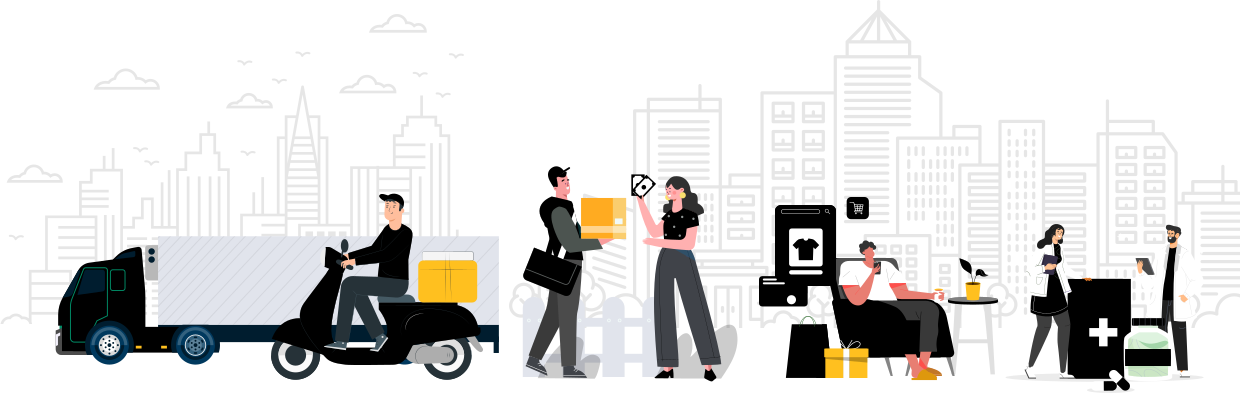
Enjoy all services in one platform
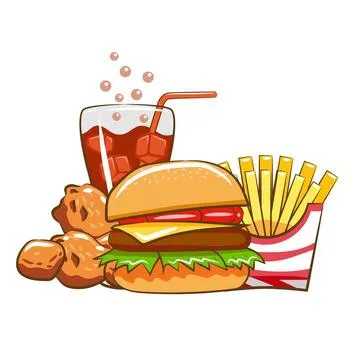
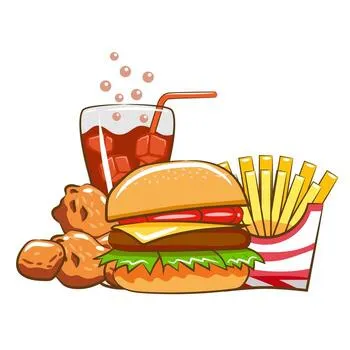
A food delivery concept is a service model that connects customers with prepared meals from restaurants or kitchens, typically facilitated by mobile apps or websites. It bridges the gap between food preparation and consumption, featuring ordering systems, payment processing, and logistics for, often, last-mile delivery to a user's doorstep. [1, 2, 3, 4]
Key Components & Models
DoorDash
Dabbawala
Key Operational Steps
Emerging Trends
AI responses may include mistakes.
[1] https://en.wikipedia.org/wiki/Food_delivery
[2] https://stackfood.app/blog/best-successful-food-delivery-business-ideas/
[3] https://www.glasierinc.com/blog/food-delivery-business-model
[4] https://www.deliverect.com/en/the-ultimate-guide-to-food-delivery-for-restaurants
[5] https://stackfood.app/blog/food-delivery-startups/
[6] https://www.ktchnrebel.com/convenience-food-delivery-to-go/
[7] https://www.ibef.org/blogs/cloud-kitchens-in-india
[8] https://www.youtube.com/watch?v=rZyAgZuuZiA
[9] https://restorapos.com/blog/what-is-the-food-delivery-service
[10] https://www.youtube.com/watch?v=F_zOaH_EV18
[11] https://stackfood.app/blog/create-a-food-delivery-app/
[12] https://dubaistore36.com/en/blog/special-food-products/a-1948776755
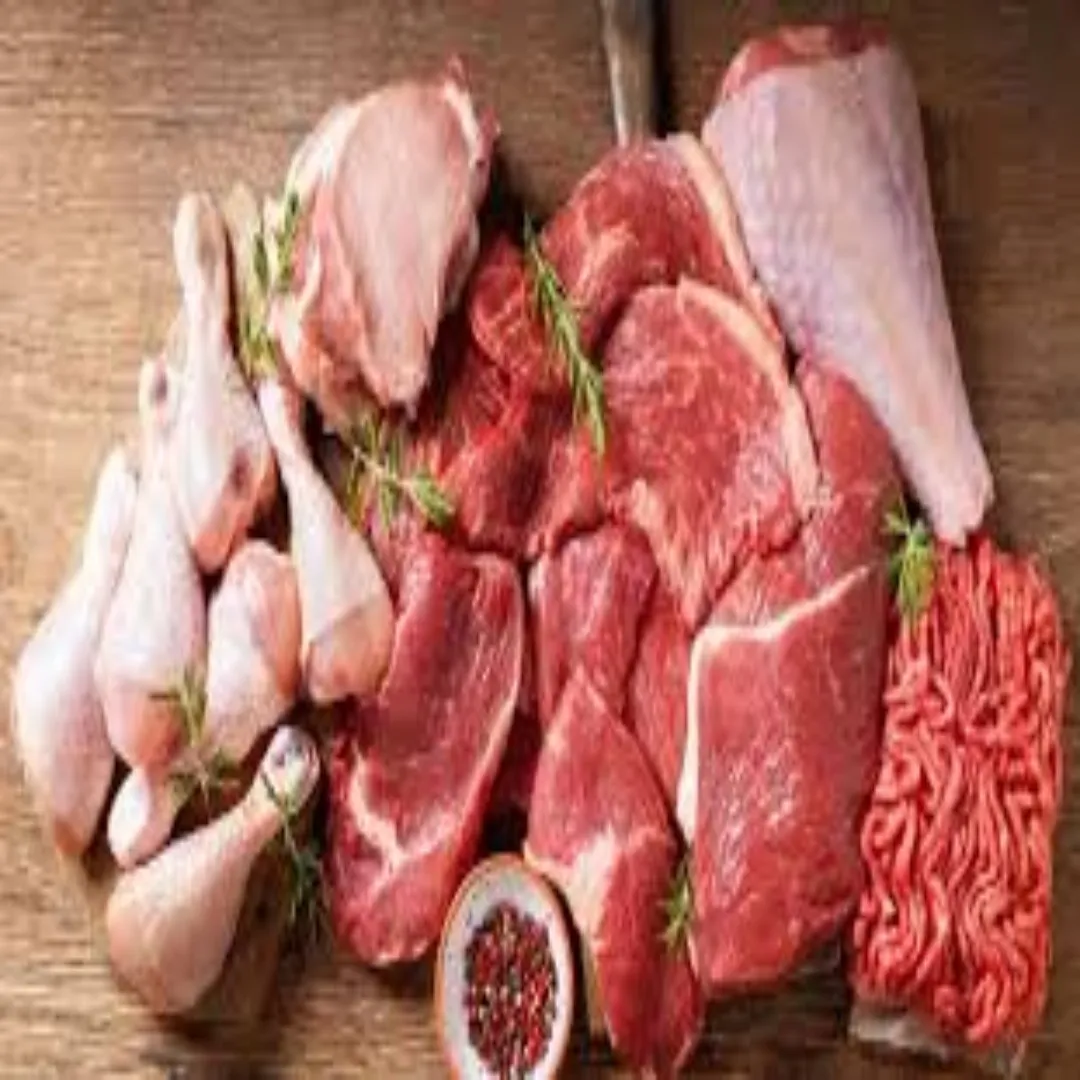
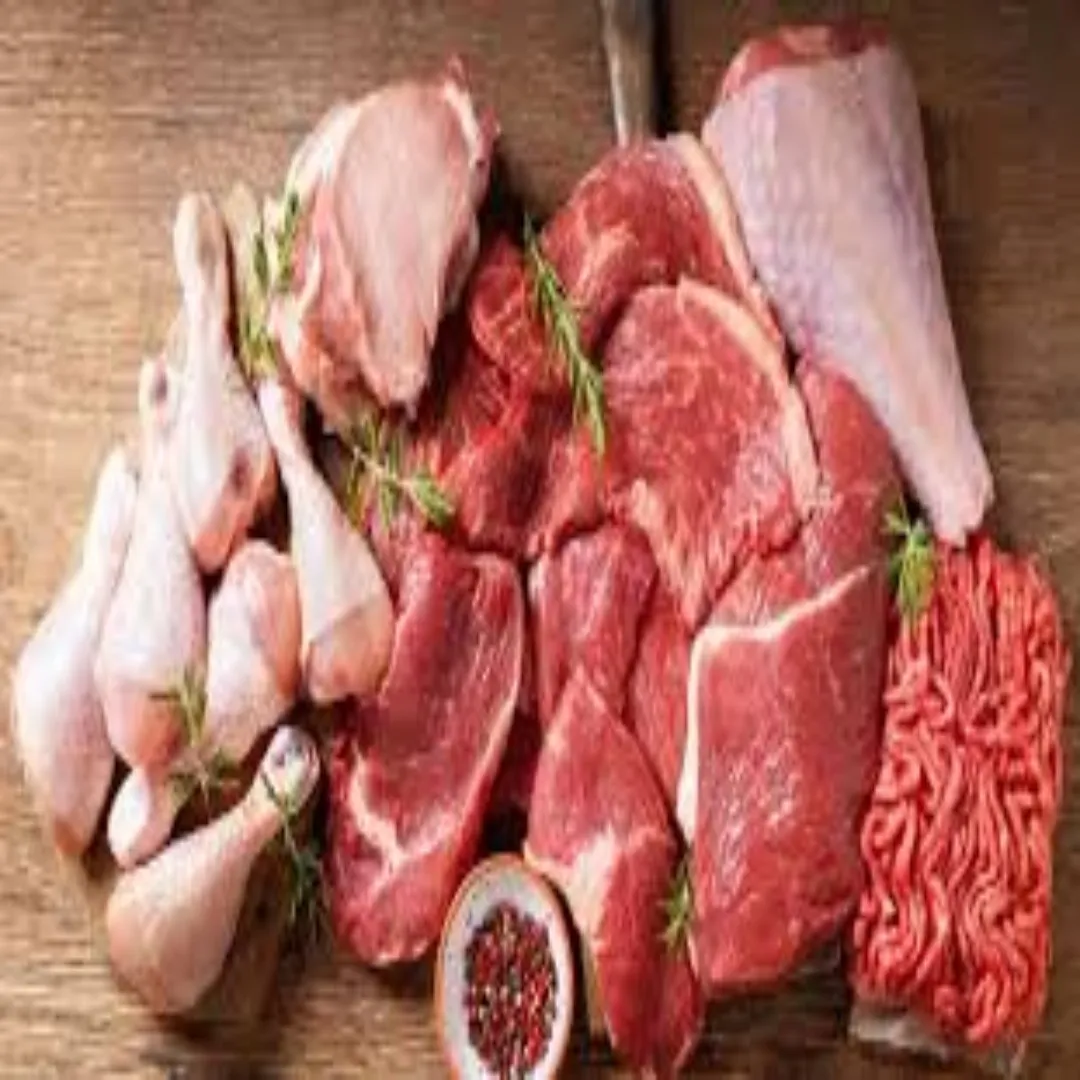
A meat delivery service concept focuses on providing high-quality, fresh, or frozen raw meat directly to consumers' doorsteps, bypassing traditional, often unhygienic, wet markets. This model prioritizes convenience, hygiene, transparency, and often offers specialized, pasture-raised, or ethically sourced products that are difficult to find in local stores. [1, 2, 3, 4]
Here is a detailed breakdown of the meat delivery business concept:
Core Pillars of the Concept
Common Business Models
Key Features of a Modern Meat App
Target Market
Value Proposition
The primary value proposition is offering better quality, variety, and cleanliness compared to traditional retail, ensuring safety and convenience for the modern consumer. [3, 4]
AI responses may include mistakes.
[1] https://grassrootscoop.com/blogs/impact/5-things-meat-delivery-service
[2] https://www.ijcrt.org/papers/IJCRT2404766.pdf
[3] https://www.zappfresh.com/blogs
[4] https://yourstory.com/2021/01/meat-delivery-startup-meatigo-india-eat-non-veg-food
[6] https://www.alibaba.com/product-insights/meat-delivery-butcher.html
[7] https://www.lokaly.in/blog/meat-delivery-app-development/
[8] https://www.restaurantindia.in/article/meatigo-is-more-than-an-online-meat-shop.9391
[9] https://www.factmr.com/report/meat-subscription-market
[10] https://onestophalal.com/blogs/info/unlocking-the-benefits-of-meat-packages-variety-value-and-tips









 Still increasing

Very good service.


 Google play
 Apple store